Connect with us


For decades, Madagascar has dominated the global vanilla trade, producing nearly three-quarters of the world’s supply. Yet, with growing concerns over sustainability, supply chain disruptions, and a lack of research and development in the industry, the need for diversification has never been greater. Uganda has turned out to be a rising star in the vanilla market, poised to reshape the global supply landscape.
Unlike many other vanilla-producing nations, Uganda enjoys a unique advantage: two harvest seasons per year. This ensures a consistent and reliable supply, a crucial factor in an industry often plagued by fluctuations. Even more compelling is the exceptional quality of Ugandan vanilla. With its high vanillin content and distinctive flavor notes of buttery cacao and figs, it has captured the attention of international buyers seeking both reliability and innovation.
The Ugandan vanilla industry has made quality its top priority. Every bean undergoes rigorous checks before export, ensuring it meets global standards. This commitment to excellence has not only strengthened Uganda’s reputation but also positioned it as a strong alternative to Madagascar’s near-monopoly. Moreover, the industry provides a vital source of income for thousands of small-scale farmers, contributing to economic growth and community stability across the country.
Recognizing the importance of long-term sustainability, key stakeholders are working to forge stronger ties between exporters and importers. A recent workshop organized by the Association of the Vanilla Exporters of Uganda (VANEX) brought together Ugandan exporters and international buyers under the Sustainable Vanilla Initiative (SVI) on the 28th of March 2025. The focus was the 2030 Sustainable Vanilla Charter—a roadmap to ensuring ethical and environmentally responsible sourcing. This charter will define clear sustainability parameters, guiding the industry toward a future where quality and responsibility go hand in hand.
Beyond sustainability, diversification in sourcing is becoming an increasingly pressing issue. Many brands have yet to experience major supply chain disruptions, but experts warn that over-reliance on a single source, such as Madagascar, poses risks. Expanding sourcing regions not only mitigates these risks but also fosters flavor innovation. The unique profile of Ugandan vanilla presents exciting possibilities for food and beverage manufacturers looking to stand out in a crowded market.
Uganda’s impact on the industry is already evident. Vanilla production has surged from 480 metric tons in the 2019/20 fiscal year to 1,800 metric tons in 2024/25. Similarly, export volumes have quadrupled, reaching 600 metric tons, supported by 45 exporters, 15 of whom are officially subscribing members of VANEX. These numbers reflect not only Uganda’s growth but also the increasing trust international buyers have in its vanilla.
Madagascar may remain the benchmark for vanilla production, but Uganda is proving to be a formidable contender. With its consistent supply, superior quality, and commitment to sustainability, it is no longer just an alternative but a force to be counted on. As the global industry evolves, Uganda’s vanilla sector is not just keeping pace but setting new standards, ensuring that the world’s love for vanilla remains as rich and enduring as ever.
 Uganda’s Vanilla Industry: A Rising Star in the Global Market
 VANEX Annual General Meeting 2024 – Strengthening Uganda’s Vanilla Legacy
 Uganda’s Vanilla Maturity Survey: Ensuring Quality, Predictability, and Farmer Prosperity
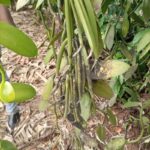 Soil to Flavour. A Journey Through Ugandan Vanilla
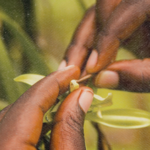 Vanilla Market Trends – August 2024